Built From Ironstone
Cut green, weathered brown: the district's colour is a chemical event.
-
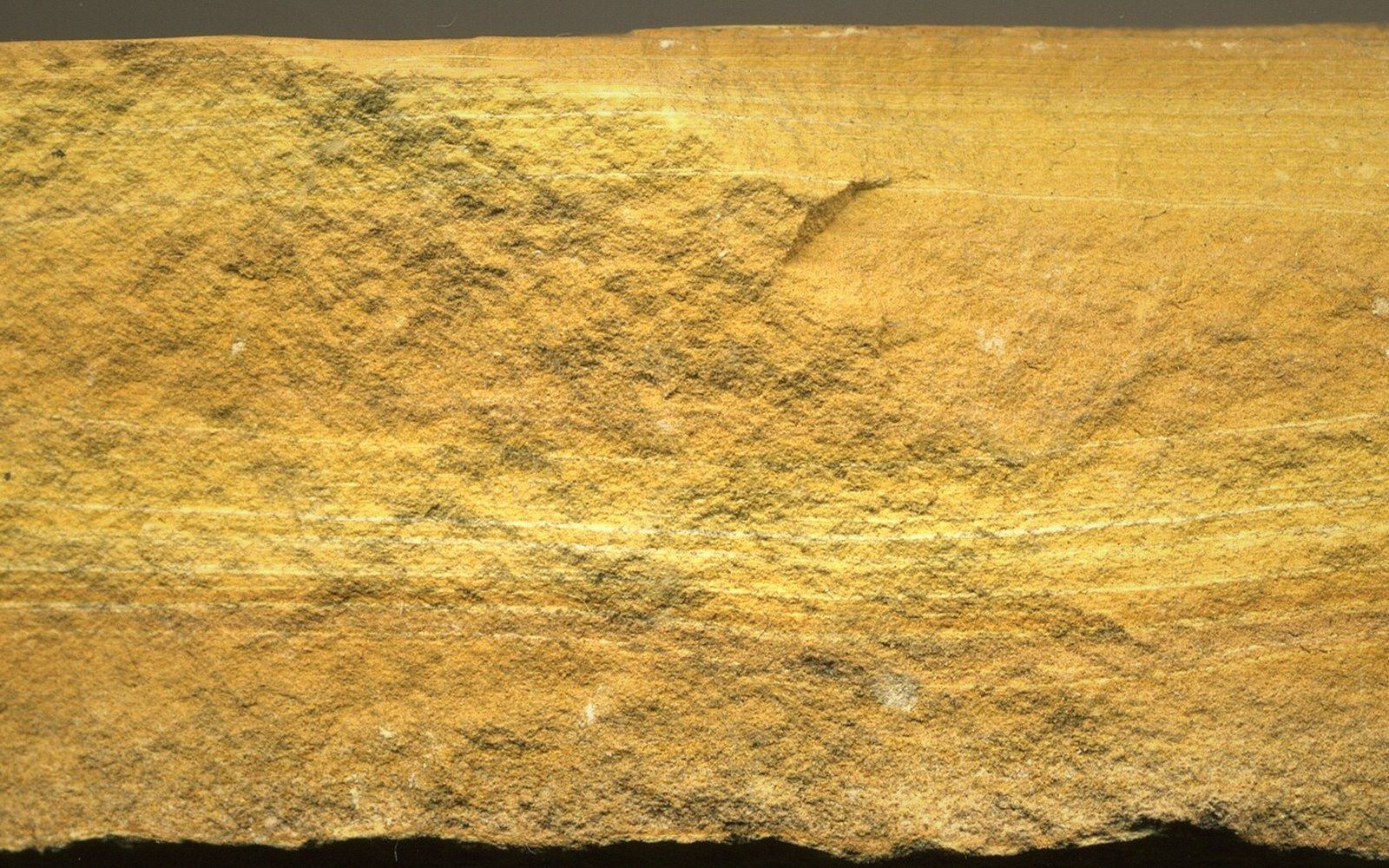 Plate III·1
Cut Green, Weathered Brown
Marlstone comes out of the ground a pale green-grey and turns rust-brown in the air as its iron oxidises. The district's colour is a chemical event, still happening on every wall — and it explains why old and new stonework never quite match.
-
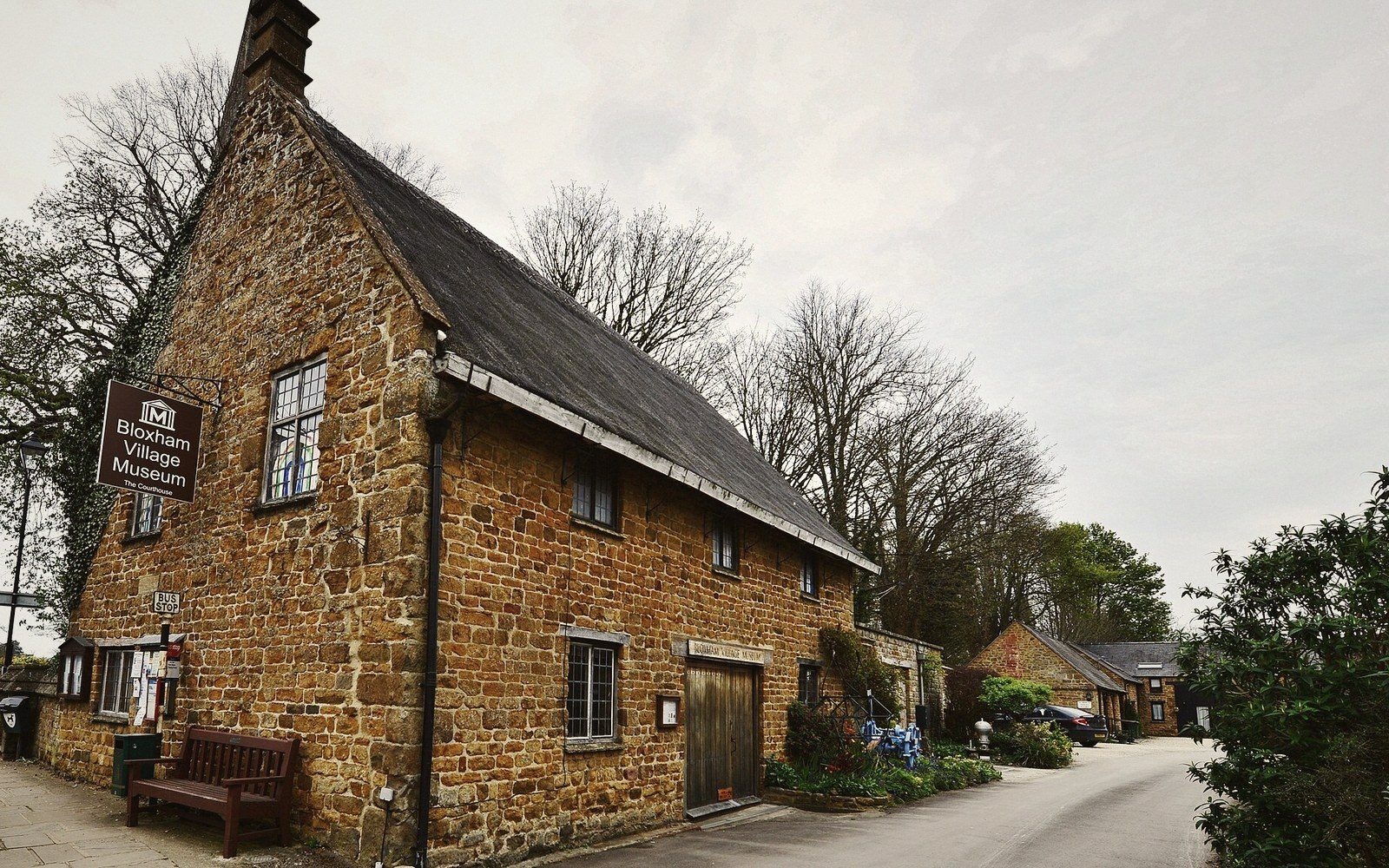 Plate III·2
Why Every Village Matches
Building stone was heavy and roads were bad, so buildings were made of whatever lay within a few miles. The economics that produced regional architectural uniformity.
-
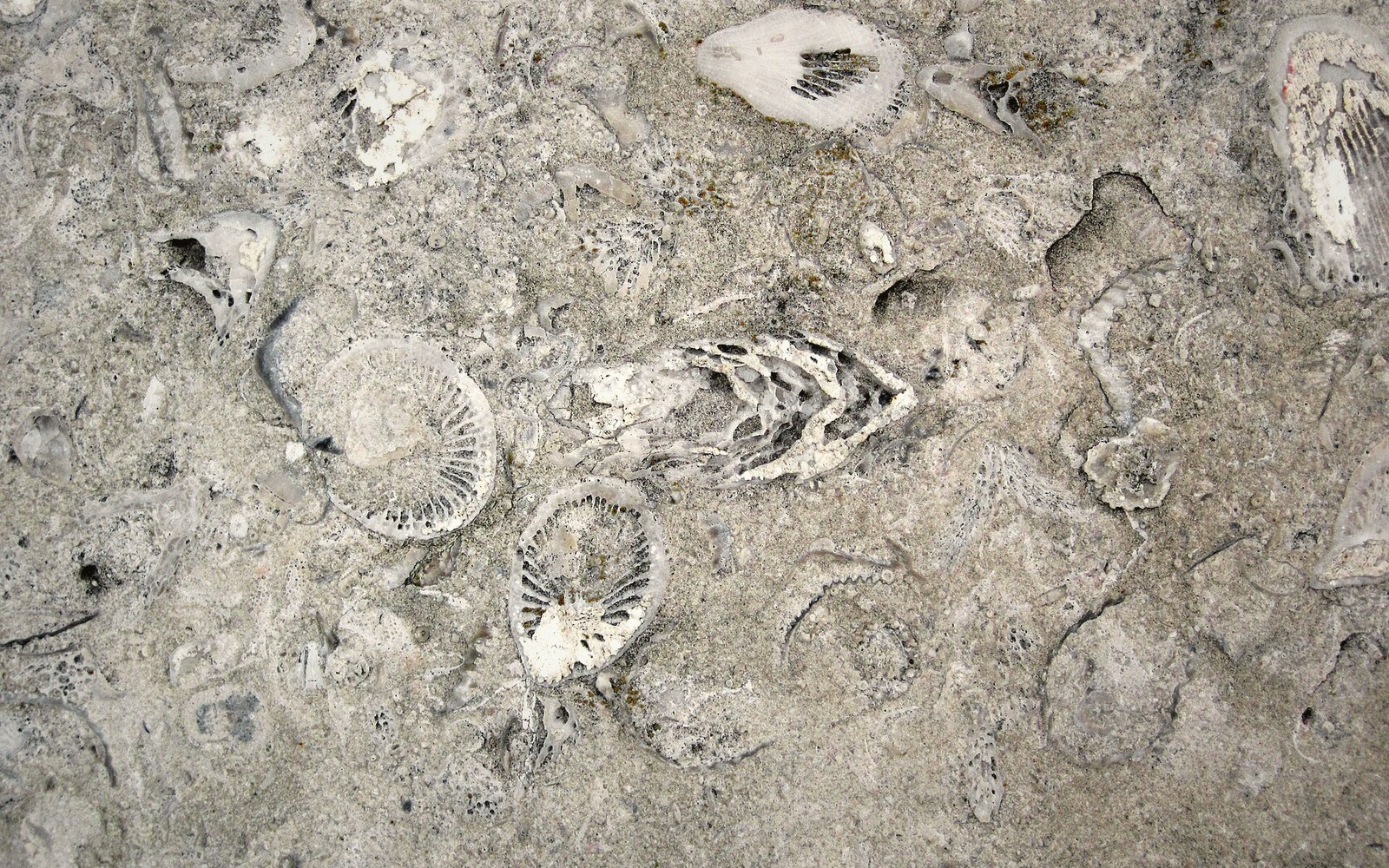 Plate III·3
The Quarries and Where They Were
Where the stone was actually taken from, how small most workings were, and what happened to the quarries once transport made distant stone affordable.
-
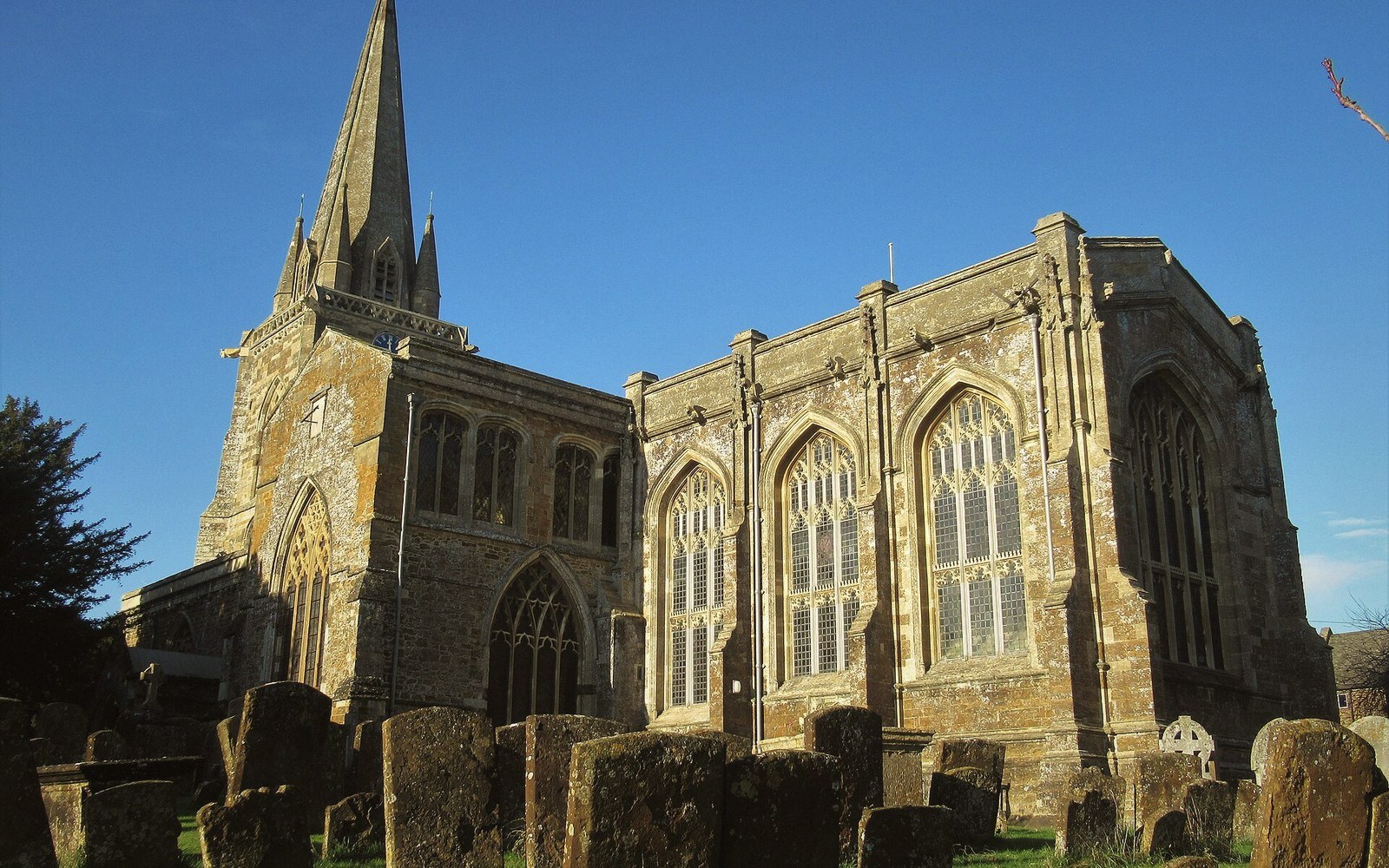 Plate III·4
Bloxham for Length, Adderbury for Strength
The old rhyme ranks the steeples of the district. What it is actually comparing, and what church-building tells us about where the money was.
-
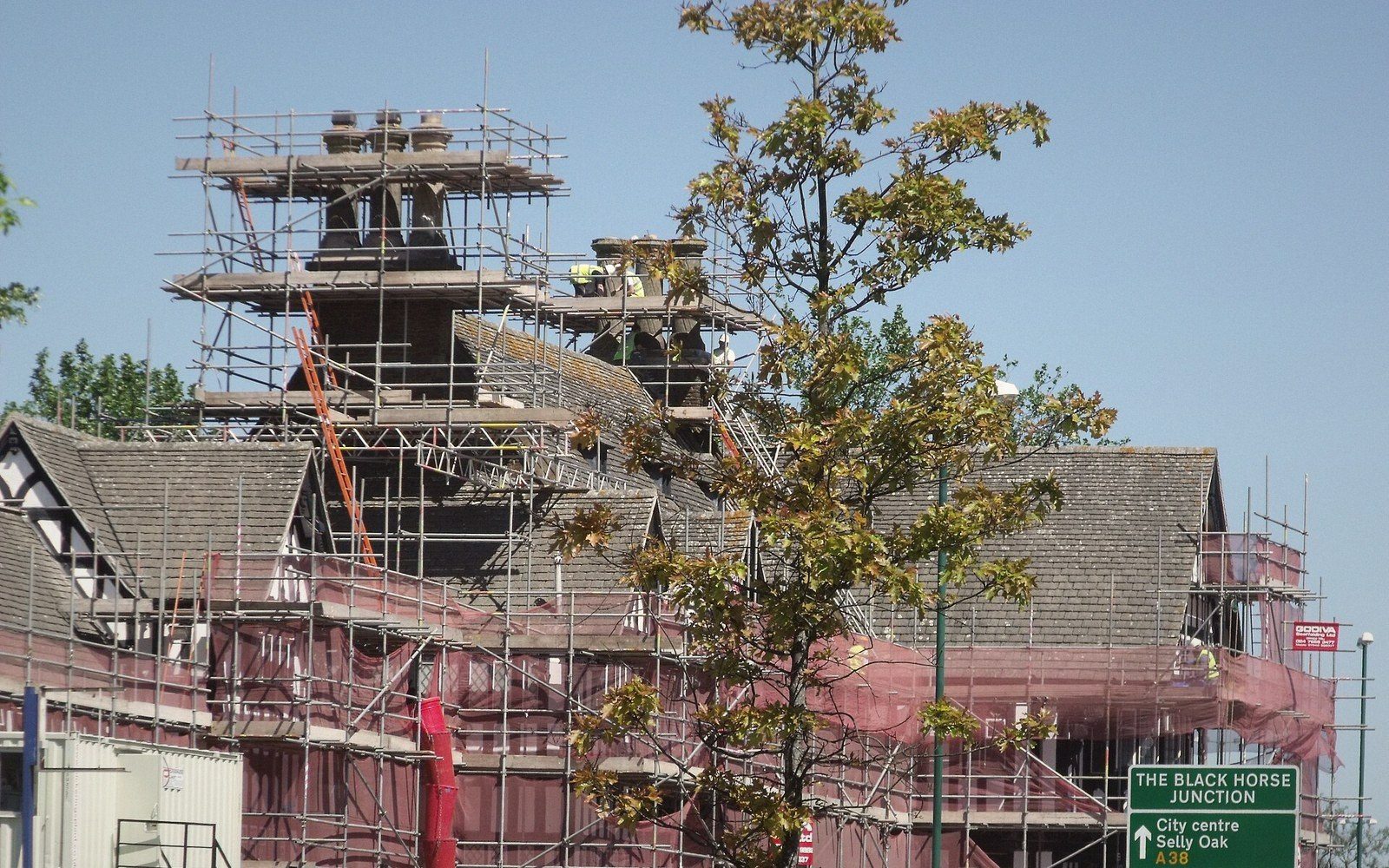 Plate III·5
Thatch, Stone Slate and Welsh Slate
Roofing as a chronology: what a roof material says about when a building was altered and how the railway changed what was on top of the walls.