What the Canal Was Built to Move
Coal south, agricultural goods north, and the commercial case that funded the cut. What the traffic actually was, and what it did to the towns it passed.
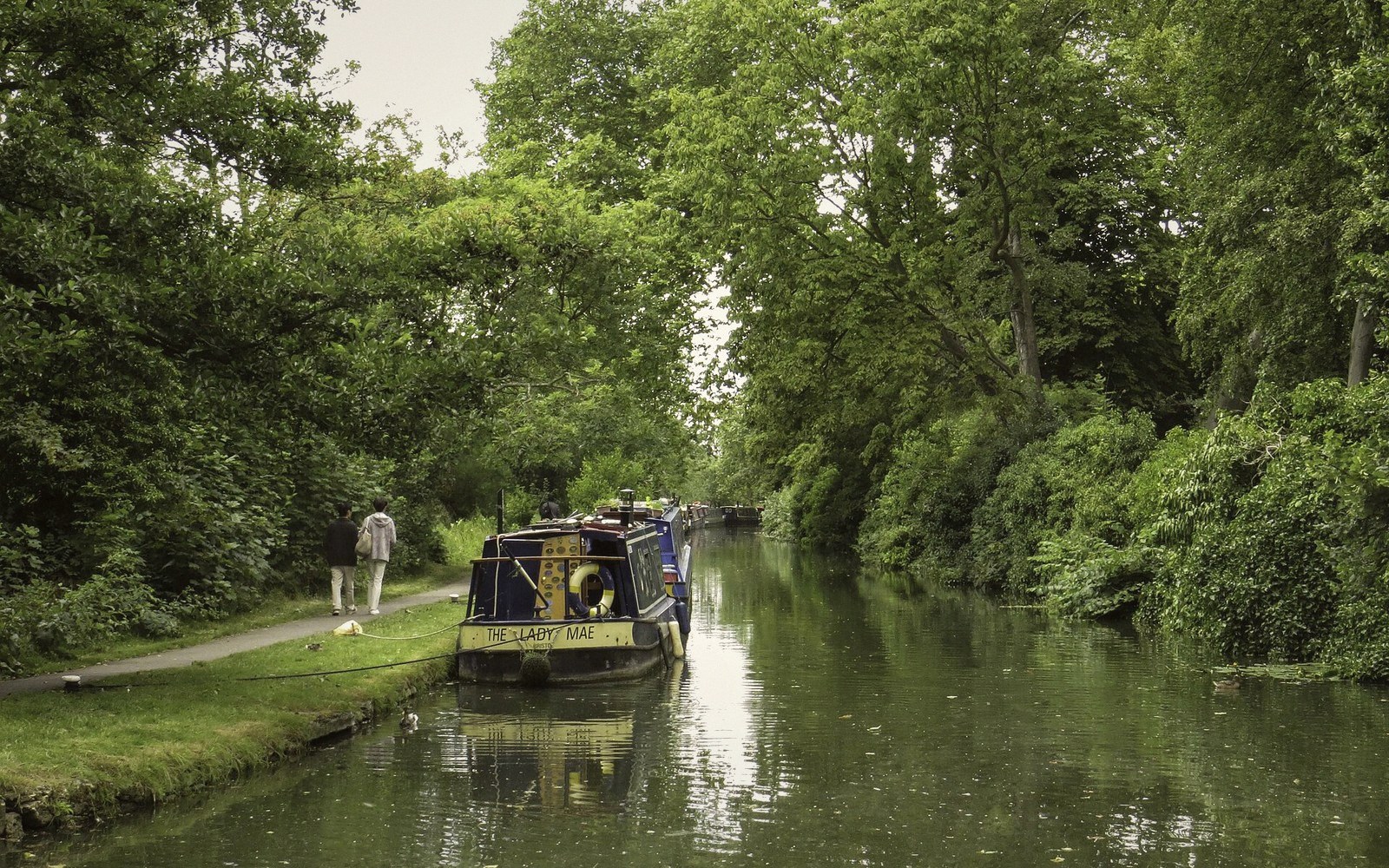
The Commercial Case for the Cut
The Oxford Canal was not built for scenery. When the act of Parliament authorising it passed in 1769, the promoters had one commodity in mind above all others: coal from the Warwickshire coalfield around Coventry and Bedworth. The towns of north Oxfordshire — Banbury chief among them — burned coal for domestic hearths and for the lime-burning and malting industries that gave the region its agricultural economy. Getting it there overland, by pack horse and wagon along roads that defeated heavy loads in wet seasons, was expensive enough to price many users out. The canal was the answer to a cost problem, not a geographical one.
The route ran south from Coventry, passing through Rugby and picking up the Cherwell valley at Napton, then following that valley's contours down through Fenny Compton, Claydon and Cropredy before reaching Banbury. From Banbury it continued south through Aynho and King's Sutton, eventually meeting the Thames at Oxford. The whole line, engineered by James Brindley and completed by his assistant Samuel Simcock after Brindley's death in 1772, opened through to Oxford in 1790. The contour-following course that made the canal famously serpentine also kept construction costs down by avoiding major earthworks — a practical decision that happened to produce a canal of unusual visual character.
What Moved, and Which Way
Coal dominated the southbound trade throughout the canal's commercial prime. Boats loaded at the Coventry coalfield collieries and moved it down to Banbury and Oxford, where it was unloaded onto wharves and distributed locally by cart. Banbury's wharf became a commercial node: coal merchants, timber yards and stone merchants all operated from it, and the cheap delivery of fuel enabled the town's malting industry to expand in ways that the pre-canal road economy had not permitted.
Northbound, the traffic was more varied. Agricultural produce — grain, malt, hay — moved up from the rich arable land of the Cherwell valley. Stone from the ironstone quarries around Banbury and the limestone workings further south found its way onto boats. Lime, once burned, went north and west to improve acid pasture. Oxford also sent goods up: groceries, manufactured goods from London, delivered to Oxford by the Thames and then transhipped onto narrow boats for the run north. The canal in both directions was a circulatory system connecting two different kinds of economic region: the coalfield in the north, the agricultural south, with Banbury sitting roughly at the point where the two met.
Stone from the ironstone quarries around Banbury and the limestone workings further south found its way onto boats.
The effect on Banbury was significant. By the early nineteenth century the town had grown a ribbon of warehousing, wharfage and trade along the canal frontage. Carriers operated regular scheduled services. The price of coal in Banbury dropped markedly after the canal opened — contemporaries noted the change, and the cheaper fuel fed directly into the expansion of the town's industries. Malt, plush-weaving, and later ironworks all benefited from affordable delivery of raw materials and affordable despatch of finished goods.
- 1769Act of Parliament authorising the Oxford Canal passes
- 1772James Brindley dies; Samuel Simcock continues as engineer
- 1790Canal opens through to Oxford, completing the full line
- 1850sGreat Western Railway reaches Banbury; canal freight begins its long decline
The Limits of the System
The canal never moved fast freight; the narrow boat moved at walking pace. What it could do was move heavy, bulky goods cheaply, and that was enough for coal, grain and stone. Lighter manufactured goods still often travelled by road even after the canal opened, because the road was quicker when weight was not the constraint. The canal's commercial advantage was specific — tonne-miles rather than speed — and within that niche it served north Oxfordshire well for about fifty years.
By the 1850s, the Great Western Railway's branch to Banbury had arrived and the arithmetic had changed. Coal could be delivered faster and, once railway competition drove prices down, almost as cheaply. The canal trade did not vanish overnight, but the clear commercial logic that had funded the original cut was slowly dismantled — a slow tide going out rather than a sudden break.