The Estate Is a Working Landscape
Behind every view at Blenheim, something practical is happening — and has been for three hundred years.
More Than a View
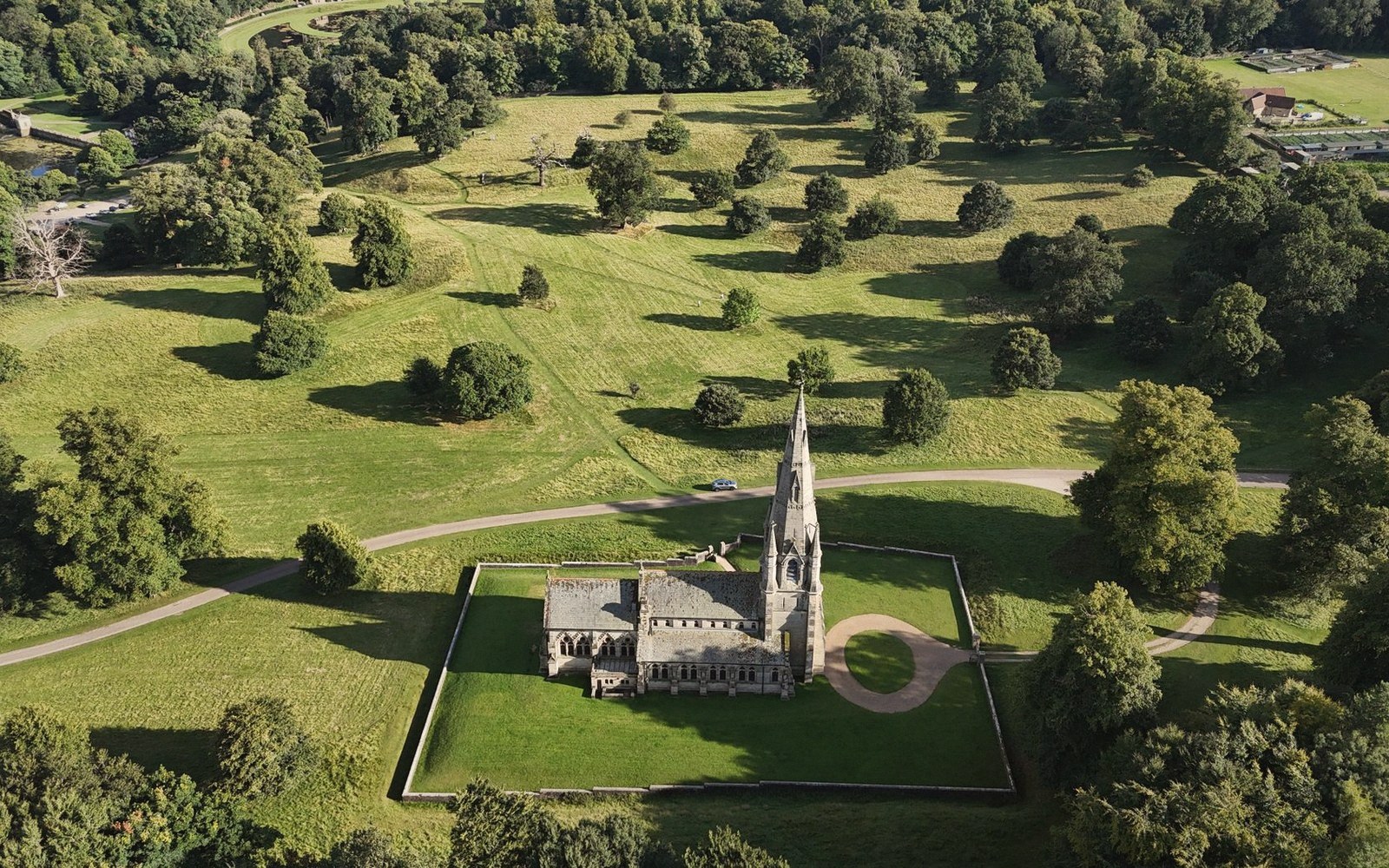
The view across the lake toward the palace is one of the most composed in England: water, bridge, trees and building locked together in a relationship that looks effortless and natural. It is neither. The landscape at Blenheim is actively maintained, and has been since the early eighteenth century — first as a formal baroque garden, then as Capability Brown's remodelled naturalistic park, and ever since as a working estate that must balance beauty, ecology and commercial viability simultaneously.
What visitors see from the public footpaths and the main approach is a managed product. The grass is grazed by livestock; the woodland is managed on a rotation; the water level in the lake is controlled. None of this detracts from the view — it largely explains why the view remains so consistent across generations.
The Woodland Frame
The trees at Blenheim are not incidental. Brown's design of the 1760s and 1770s used timber plantings deliberately — belts and clumps positioned to screen estate boundaries, direct sight lines and create the impression that the park occupied a larger, more private world than it actually does. Those original plantings are long gone, replaced in cycles by successive estate managers working to Brown's inherited geometry.
Managing parkland trees is a long-term commitment measured in decades, not seasons. Old trees die, and their removal opens gaps that take a generation to fill. New planting has to anticipate what a canopy will look like at maturity — perhaps eighty or a hundred years hence — while keeping the park functional and accessible in the meantime. The estate has periodically undertaken large-scale replanting programmes following storm damage, disease and the natural attrition of aging specimens, each time working to maintain the outline Brown established.
Commercial forestry also operates within the estate's broader landholding, separate from the ornamental park proper. Timber is a genuine crop on a working English estate of this size, and woodland management here, as elsewhere in the Cherwell Valley and across north Oxfordshire's larger landholdings, means balancing harvesting cycles against habitat continuity — a calculation that now incorporates biodiversity obligations alongside the economics of timber.
Water and the Valley Floor
The lake is the park's most dramatic practical achievement: the Glyme, a modest stream draining the valley north of Woodstock, was dammed in the 1760s to create approximately 160 acres of open water. The dam that holds it — largely obscured by planting — requires maintenance like any piece of hydraulic infrastructure. Water levels are managed, the channels feeding and draining the system are kept clear, and the whole arrangement must function as a water body (with its associated wildlife and siltation) as well as a landscape feature.
The dam that holds it — largely obscured by planting — requires maintenance like any piece of hydraulic infrastructure.
The valley floor beyond the formal lake extends into grazing meadow, where cattle and sheep have worked as the park's lawnmowers since the designed landscape was first established. Livestock grazing is not merely picturesque: it prevents scrub encroachment, maintains the open sightlines Brown designed, and produces a practical agricultural return. The relationship between the aesthetic and the agrarian here is genuinely old, and genuinely continuous.
- Early 18th centuryformal baroque garden laid out after the palace was begun
- 1760s–1770sCapability Brown remodels the park, dams the Glyme, repositions the planting
- Subsequent centuriessuccessive replanting cycles maintain Brown's inherited geometry
- Presentbiodiversity and heritage obligations added to the working brief
A Large Employer in a Small District
Estates of this scale are significant employers in rural north Oxfordshire — gamekeepers, foresters, farm managers, groundsmen, tradespeople, estate office staff. The economic argument for maintaining a working landscape rather than letting it revert to something wilder rests on this employment base as much as on income from farming, timber and visitor access.
It also rests on planning context. A Grade I listed park of national importance, sitting within the Blenheim World Heritage Site designation, operates under a framework of obligations that shape what can be changed, built, planted or removed. Every decision about the landscape — a new fence line, a felled plantation, a reshaped bank — takes place within that regulatory envelope.
The result is a landscape that looks settled and inevitable, but is in practice the outcome of continuous effort, continuous decision-making, and continuous negotiation between what Capability Brown imagined, what the land naturally wants to do, and what a twenty-first-century estate can practically sustain.